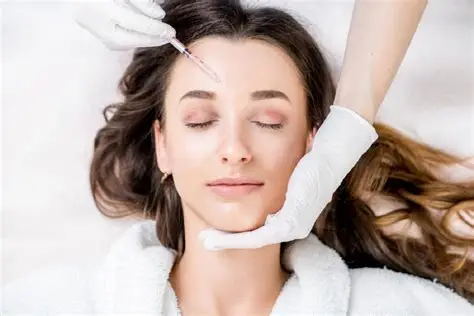
Botox Therapy
What is Botox Therapy?
Botox therapy is a medical treatment that involves injecting a purified form of botulinum toxin into specific muscles or glands to temporarily relax them. While widely known for its cosmetic benefits in reducing wrinkles and fine lines, Botox is also used for various therapeutic purposes. By targeting overactive muscles or glands, it can provide relief from chronic medical conditions, improve functional mobility, and enhance quality of life for patients experiencing muscle spasticity or other disorders.
How Botox Therapy Works
Botox works by blocking nerve signals to the muscles or glands where it is injected. When these signals are interrupted, the targeted muscles relax, reducing spasms, stiffness, or unwanted movements. In cosmetic applications, this relaxation smooths wrinkles and softens expression lines. In medical treatments, such as for chronic migraine, excessive sweating, or neurological disorders like dystonia, Botox helps control abnormal muscle activity and alleviate associated discomfort.
Conditions Treated with Botox
Botox therapy is used to treat a variety of medical and cosmetic conditions. Therapeutically, it can help manage chronic migraines, cervical dystonia, spasticity from stroke or cerebral palsy, and hyperhidrosis (excessive sweating). Cosmetically, it is employed to reduce forehead lines, frown lines, crow’s feet, and other facial wrinkles. By precisely targeting the affected muscles or glands, Botox can provide relief, improve appearance, and enhance both physical function and self-confidence.
Procedure and What to Expect
During a Botox session, a trained specialist carefully injects small doses of the toxin into the targeted area. The procedure is minimally invasive and usually completed within a short appointment, often without the need for anesthesia. Patients may experience slight discomfort, mild bruising, or temporary redness at the injection site. Results typically appear within a few days to weeks, depending on the treatment area, and the effects can last for several months, after which repeat sessions may be recommended to maintain benefits.
Possible Side Effects and Precautions
While Botox is generally safe when administered by an experienced professional, some side effects may occur. Common mild reactions include localized pain, swelling, or bruising at the injection site, temporary muscle weakness, or minor headaches. Rare but more serious complications can include difficulty swallowing or breathing if injected incorrectly. Patients are advised to inform their doctor about allergies, medications, or medical conditions such as pregnancy or neuromuscular disorders before undergoing treatment. Following pre- and post-treatment instructions is crucial for safety and optimal results.
Botox Therapy Care with Dr. Megha Sharda
At Accord Superspecialty Hospital, Dr. Megha Sharda offers expert Botox therapy tailored to each patient’s needs. She ensures a thorough evaluation before treatment, creates personalized plans, and provides detailed guidance on the procedure and aftercare. By combining advanced techniques with patient education and ongoing support, Dr. Sharda ensures that both therapeutic and cosmetic outcomes are achieved safely and effectively, helping patients regain confidence, comfort, and improved quality of life.